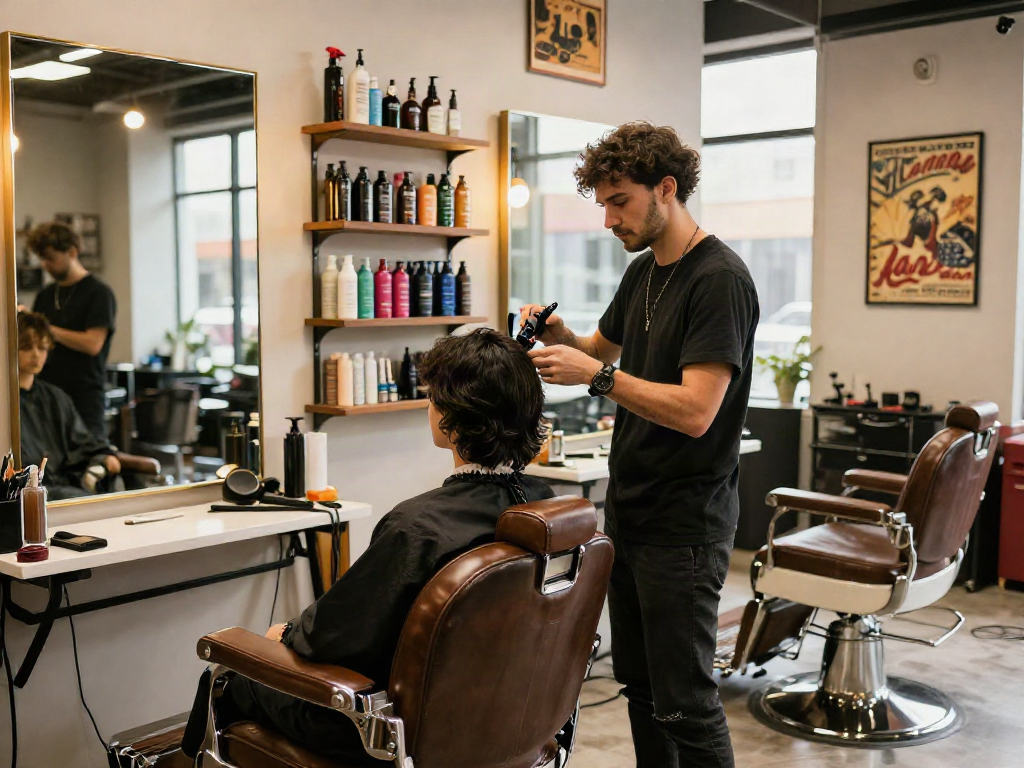
Understanding Hair Types and Textures
In the ever-evolving world of hair styling, one of the foundational aspects is understanding the diverse types and textures of hair. As stylists, we must recognize that each client's hair requires a unique approach based on its characteristics. For those seeking to enhance their hair care knowledge, resources like https://carbonegroupparrucchieri.it/ offer comprehensive insights that can guide your journey. This understanding not only helps in selecting the right products but also in applying appropriate styling techniques that promote healthy, beautiful hair.
Common Hair Types: Characteristics and Care
Hair can be classified into several basic types, each presenting unique characteristics. The primary types include:
- Straight Hair: Generally smooth and shiny, straight hair can be fine, medium, or coarse. It often reflects light well but can be prone to oiliness.
- Wavy Hair: With a natural wave pattern, this type showcases a balance between straight and curly hair. It may require products that define the waves while controlling frizz.
- Curly Hair: Often voluminous and full of bounce, curly hair tends to be drier due to its structure, which makes it essential to use moisturizing products and avoid heat damage.
- Kinky Hair: Characterized by tight curls or coils, this hair type can be fragile and may require gentle care, focusing on hydration and minimal manipulation.
How to Determine Your Hair Texture
Determining your hair texture involves assessing its thickness and width. The simplest method is to take a single strand of hair and compare it with a piece of sewing thread. If your hair strand appears thinner, you have fine hair; if it matches, it is medium; thicker than sewing thread indicates coarse hair. Additionally, consider how your hair behaves when wet; fine hair tends to dry quickly, while thicker types may take longer.
Importance of Tailoring Techniques to Hair Type
Each hair type deserves a tailored approach when it comes to cutting, styling, and caring for it. Stylists must adopt specific techniques to enhance the natural beauty of the hair while addressing individual challenges. For instance, while layering can add movement to straight hair, it may create too much volume in curly or wavy hair. Customizing these techniques ensures optimal results and satisfied clients.
Essential Tools for Professional Styling
Professional hairstylists know that the right tools set them apart. Investing in quality styling tools is crucial for achieving the best results. High-quality scissors, clippers, and combs can significantly affect the outcome of a haircut or styling session. Therefore, understanding the essential tools and maintaining them properly is vital to any stylist's success.
Top Hair Products Every Stylist Should Use
As part of a stylist’s toolkit, certain hair products are indispensable. These include:
- Leave-In Conditioners: These products provide moisture and protect hair from environmental stressors.
- Heat Protectants: Crucial for clients who frequently use heat styling, these products shield hair from damage.
- Styling Gels and Mousses: Offering hold and definition, these products help create the desired hairstyle.
- Hair Oils: They add shine and moisture, making them a perfect finishing touch.
Investing in Quality Tools: Clippers, Scissors, and Combs
Quality tools are an investment that pays off in the long run. Professional-grade scissors can provide precision cuts, while high-end clippers allow for seamless fades and transitions. Combs are essential for detangling and sectioning hair effectively. Choosing tools that feel comfortable in your hands can improve your efficiency and reduce fatigue during long sessions.
Maintaining and Sanitizing Your Styling Equipment
Proper maintenance and sanitation of equipment are crucial for both performance and hygiene. Regularly cleaning scissors and clippers prevents hair product buildup, ensuring they function correctly. Additionally, using disinfectants on tools after each client minimizes the risk of transmitting hair and scalp conditions.
Innovative Hair Cutting Techniques
The art of hair cutting is constantly evolving, and staying updated with innovative techniques can set a stylist apart. As we approach 2026, certain cutting styles are gaining traction, and understanding these trends will enhance your repertoire.
Trending Cutting Styles for 2026
Some of the cutting techniques making waves include:
- Shag Cuts: These cuts deliver texture and volume, appealing to clients seeking a laid-back look.
- Textured Bobs: A modern twist on classic bobs, these cuts incorporate layers for added movement.
- Long Layers: Perfect for those with longer hair, this technique adds dimension without sacrificing length.
Layering vs. Blunt Cuts: When to Use Each
Layering and blunt cuts serve different aesthetics and hair types. Layered cuts are ideal for adding volume and movement to fine hair or creating texture in thick hair. In contrast, blunt cuts can give a sharp, polished look that suits straight hair or those desiring a more structured style. Understanding when to use each technique can enhance the overall outcome for your clients.
Incorporating Texture and Movement in Haircuts
Creating movement is essential for contemporary hairstyles. Techniques such as point cutting and slide cutting can effectively add texture to a style. These methods involve cutting into the hair, which helps break up the heaviness and allows for a more dynamic look. Understanding how to manipulate hair with these techniques makes a stylist more versatile.
Mastering Hair Coloring Techniques
As color trends frequently change, keeping abreast of the latest techniques is necessary for any hair professional. Mastering these coloring methods can significantly impact your client's satisfaction and business growth.
Current Color Trends and Techniques for 2026
In 2026, expect to see the emergence of these color trends:
- Shades of Pastel: Soft hues will regain popularity, allowing clients to express themselves creatively.
- Natural Balayage: This technique mimics sun-kissed highlights and offers a low-maintenance look.
- Vibrant Fashion Colors: Bold colors such as cobalt blue or fiery red will continue to attract adventurous clients.
Understanding Color Theory in Hairdressing
Grasping color theory is paramount for any stylist. Understanding the color wheel, complementary colors, and the impact of various shades on skin tones will enable stylists to create harmonious, flattering looks. For instance, warm colors can add vibrancy, while cool tones can bring softness. This knowledge helps in providing personalized consultations for clients.
Balayage vs. Ombre: Choosing the Right Technique
Both balayage and ombre techniques can transform a client’s hair, but they yield different results. Balayage offers a more natural, sun-kissed effect through hand-painting highlights, while ombre features a gradient effect that transitions from dark to light. Knowing when to recommend each technique ensures a satisfying outcome for clients.
Building Client Relationships and Loyalty
In the beauty industry, the quality of service is as important as technical skills. Establishing strong relationships with clients fosters loyalty and can lead to repeat business and referrals. Here are some strategies for nurturing that connection.
Creating a Welcoming Environment for Clients
First impressions matter. A clean, well-organized salon creates an inviting atmosphere. Additionally, offering amenities such as beverages or relaxing music can enhance the overall experience, making clients feel valued and appreciated.
Effective Communication: Listening to Client Needs
Active listening is vital when consulting with clients. Understanding their preferences, lifestyle, and concerns can help you tailor your services to meet their expectations. Ask open-ended questions and ensure you fully comprehend their desired outcome.
Strategies for Retaining Loyal Clients Over Time
Following up with clients after appointments can reinforce their commitment to your services. Offering loyalty programs or referral discounts can incentivize clients to return, showing them that you value their business. Additionally, regularly updating your skills to offer the latest trends keeps clients interested in returning for new looks.
Frequently Asked Questions
What are the latest trends in hair styling for 2026?
In 2026, expect to see a blend of natural textures with soft layers and vibrant colors dominating stylistic choices.
How do I choose the right hairstyle for my face shape?
Understanding face shapes—oval, round, square, heart, and long—can guide the selection of flattering hairstyles that enhance features.
What tools should every stylist have in their kit?
Essential tools include sharp scissors, various combs, high-quality clippers, and a range of styling products to accommodate different hair types.
How can I maintain healthy hair post-styling?
Encouraging clients to use appropriate shampoos and conditioners, minimize heat exposure, and regularly trim their hair can help maintain its health.
What are the benefits of professional hair coloring?
Professional coloring provides a customized approach, ensuring vibrant, long-lasting results with minimal damage when compared to at-home kits.